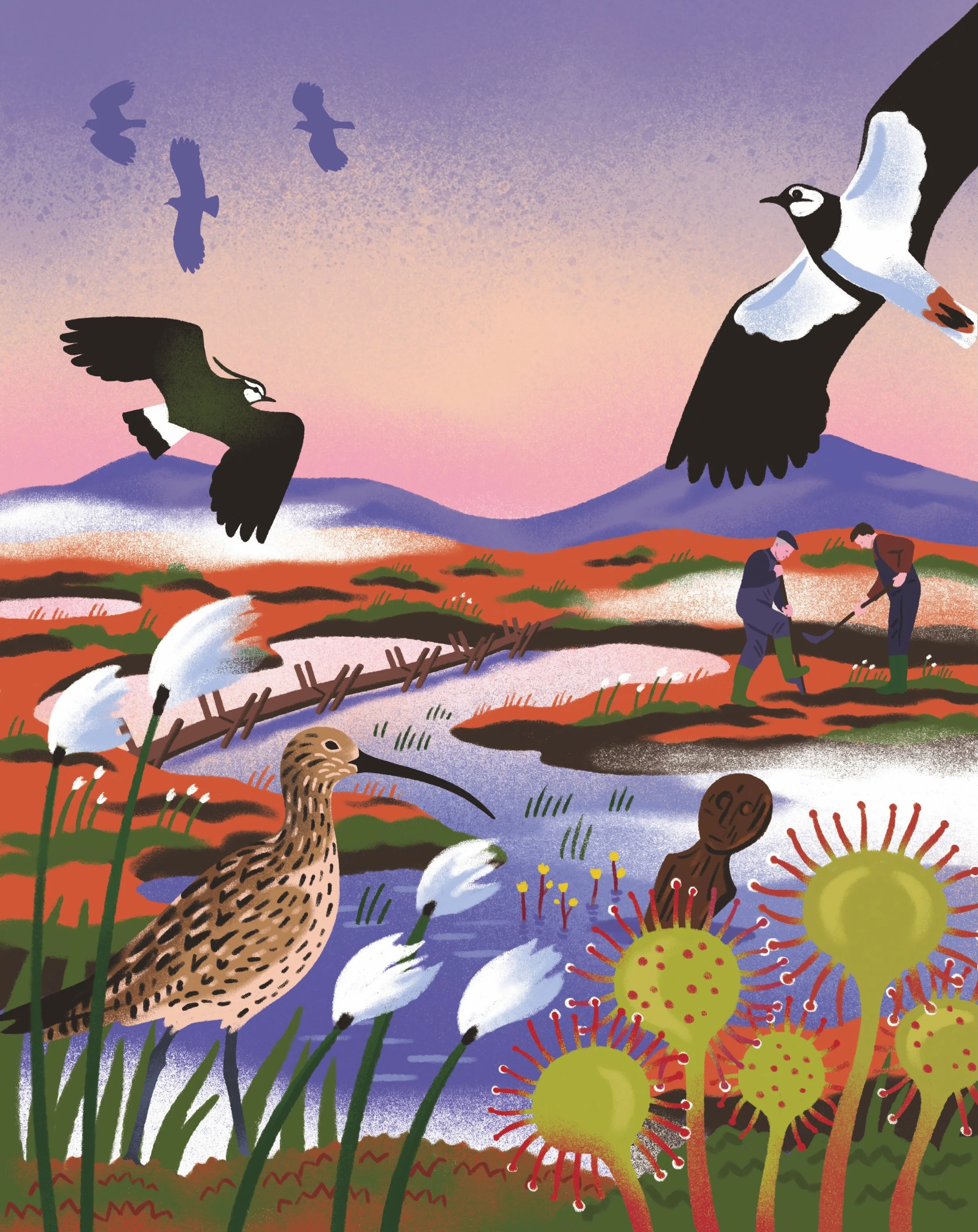
The British Isles have a rich history of folklore but the real characters are the ones from the wetter corners of the country - the bogs, fens, marshes and rivers. Let’s meet some of them…
Jenny Greenteeth
A water hag with green skin, sharp teeth and long hair, she is said to pull children beneath the water and drown them. Her name may be derived from the word ‘Gryndylow’ a supernatural folklore creature from Yorkshire or Lancashire, probably linked to Grendel who appeared in Beowulf.
Peg Powler
Another water spirit, similar to Jenny Greenteeth, and also the fascinatingly monikered Nelly Longarms, who lives in the River Tees and, again, drags innocent children to watery graves. She was probably invented by parents to encourage sensible behaviour from wayward children.
Will-o’-the-wisp
Meaning simply Will (William) of the Wisp (a bundle of tinder used as a light), this phenomenon was believed to be lost souls out in the marshes, luring travellers to their deaths. A more likely explanation is that they were ‘marsh gases’ or phosphorescence caused by rotting organic matter in a damp environment.
The Nuckelavee
A rather horrifying sea monster from Orkney that takes the form of a horse with no flesh, fins on its legs and one eye. Were that not enough, it is ridden by a fleshless human with long arms and a huge head lolling about. Form an orderly queue, ladies! On the plus side, fresh water is anathema to them, so you can easily shake off a Nuckelavee by crossing a river or stream.
Tiddy Mun
A bog spirit from the fens of South Lincolnshire and the Isle of Ely as well as the Carrs of North Lincolnshire. He is described as the size of a three-year-old child but with the appearance of an old man, wearing a grey gown and with a laugh that sounds like the call of the peewit. He was allegedly angered by the draining of the Fens by the Dutch, but is not all bad. Allegedly when the fens have flooded and the water reached the villages, locals would go out at night to call the Tiddy Mun who would push the waters back.
The Green Coaties
Pixies or faeries from the Lincolnshire fens but similar creatures, in similar green clothing, exist across the country. Their green attire is to hide them in their own habitats. Generally, if you respect the land and nature, they will leave you alone.
Kelpies
These shape-changing water spirits haunt rivers and streams and usually take the shape of a horse. They can appear as tame ponies near a river, but once a child has climbed up on its back they will be stuck there on the kelpie's magic hide and dragged into the river to be eaten. They can also appear as humans - usually beautiful women, naturally - to lure people into the river before killing them.
Larkyhibbits
These playful protectors of the land live in the Fenland marshes and are connected to will-o’-the-wisps and fen dragons, and like those cousins, are all about either guiding people or confusing them in the mists.
This blog was inspired by our September issue ‘know a thing or two’ feature which is all about bogs, fens and marshes this month.
Buy this month's The Simple Things -buy, download or subscribe